
"Grade 1"
9000 article(s) found
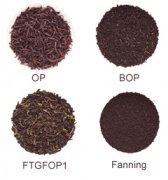
The grading standard and classification of black tea what is the meaning of FOP and BOP in black tea which grade is higher?
Many delicious friends who taste black tea want to get a kind of black tea quickly, but when they open some orange software and want to chop an order, they all want to buy the top tea, but find that the grade of tea is big. What is BOP? What is FBOP? This STGFOP looks so awesome. Does it mean top class? Really dazzling, impatient, straight from the beginner to

Fruity Yejia Shefei Aduo Fine Coffee Bean Planting Location Climate Elevation Simple
Initially, Yegashefi's coffee trees were cultivated by European monks (a bit like Belgian monks growing wheat to brew beer), but later by farmers or cooperatives. Yega Shefi is actually constructed by surrounding coffee communities or cooperatives, including Idido, Harfusa, Hama, Biloa near Misty Valley, all washed with water.
Which producing area of African coffee is good? which is the best coffee beans, G1 or G2?
Professional coffee knowledge exchange more coffee bean information please follow the coffee workshop (Wechat official account cafe_style) front street-African coffee producing area Yega Xuefei Coffee grading introduction since the Ethiopian Commodity Exchange Center (ECX) came into operation in 2009, the current practice is to put the more well-known producing areas in the generalized Yejashafi producing areas, including Yirgacheffe, Wenago, Kochere, Gelen

Fine coffee beans, common sense, size, specification and grade of coffee beans
A, coffee can be divided into washing type and non-washing type according to specifications, and can also be divided into flat beans and round beans. Washing type: in the sink, after rubbing with water and utensils, the pulp and colloid are removed and dried, which is called washing coffee bean with uniform quality. Non-washing type: after the sun is naturally dried, the pulp and peel is removed by a sheller, and its quality is unstable. The fruit of coffee is made up of two oval shapes

Ethiopia boutique coffee producing area WenagoG1 Yadamei of Ethiopia
In addition to the small town of Yega Xuefei, it also includes three by-product areas such as Wenago, Kochere and Gelena/Abaya around it. 1. Planting system and environment the mountain stream village in the Yega Xuefei producing area is cool and foggy, like spring all the year round, with a gentle breeze in summer, cool but not hot, rain but not damp, and no cold damage in winter, which is the best environment for planting Arabica. There are no large coffee plantations, coffee.

The difference between G1 and G2 coffee beans introduced what is the coffee grading system in Ethiopia
The difference between G 1 and G 2 coffee beans the difference between G 1 and G 2 coffee beans is introduced by putting the mellow beans into the pool and moving back and forth, using the friction of the beans and the power of running water to wash the coffee beans until smooth and clean. After washing, the coffee beans are still wrapped in the pericarp with a moisture content of 50%, which must be dried to reduce the moisture content to 12%, otherwise they
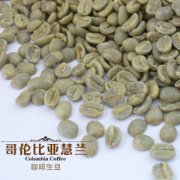
Columbia coffee Supremo grade HUILA Huilan coffee beans
Colombian coffee Supremo grade HUILA Huilan coffee beans Colombian coffee Supremo grade HUILA Huilan producing area, specification: 17-18 mesh, grade: Supremo, origin: Colombia HUILA Huilan Huila Huila, process: washing. Features: 1, taste: bitter, moderate acidity, rich aroma; 2, the best baking degree: moderate; 3, blending method: single product

Yega Chuefei Coffee Raw Bean treatment Yega Snow Coffee Manor
Category An is the washing method, and the grade standard is set by the American Fine Coffee Association SCAA, which is divided into Gr-1;Gr-2, the smaller the Arabic numeral is, the higher the grade is, the style of G1 Yega Chuefei is distinct, and the flavor of citrus flavor and floral flavor in the coffee liquid is a delicious taste that everyone can't resist; category B is the raw coffee bean processed by the sun, and the grade is Gr-1;Gr-3;Gr-4;Gr-5, which is also the highest.
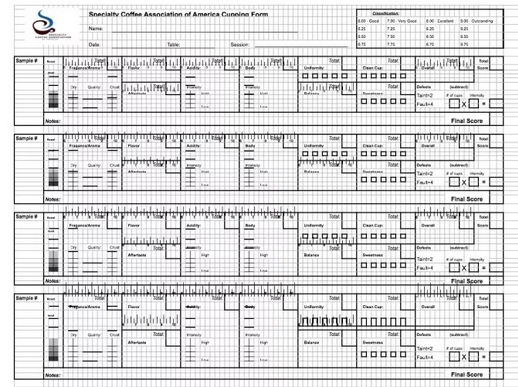
How to pass the Q-grader exam (3) there are 8 major items, a total of 20 subjects
SCA Cup Test form if you sign up for the Q grader test, you should already know how to use the SCA cup test form correctly. In order to practice this part of the test, it is recommended that you test a large number of cups of coffee from different places and different processing methods. You should understand the flavor of coffee in different regions and how these flavors are expressed in the cup test. Pay attention to find coffee you don't know.
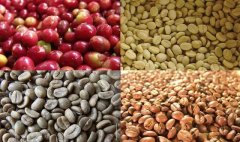
How are Ethiopian coffee beans graded?
The grading we are talking about now refers to the grading of raw beans in the country where coffee is produced. (no matter which country coffee beans are not graded) Ethiopian coffee beans are divided into five grades. The first and second stages are reserved for washing beans with water. Grade 1 represents 0-3 raw beans and Grade 2 represents 4-12 missing beans per 300g raw beans. Grade 1 (G1) grade water washed bean pole

Points for attention in the examination process of Q-Grader raw beans how to distinguish defective coffee beans
CQI Coffee quality Institute's Q-Grader Coffee tasting Test has always been the most stringent and valuable sensory test in the global coffee industry. In this examination, in addition to the higher requirements for the sensory ability of candidates, but also have a certain understanding of the basic knowledge of coffee. Explain,

Introduction to the flavor and taste characteristics of Yejasuffi Coffee Manor in Yuyun
The traditional way of tanning in Ethiopia is rough and smelly, so it is popular.

Coffee beans Basic knowledge Coffee classification
If there are two cafe owners in the discussion, A shop owner said: we use coffee beans in Brazil Santos NO.2, your shop? B shopkeeper said: We shop with the Blue Mountain NO.1 with the same level of Brazil NO.1. Brazil uses a point-deduction method to evaluate the quality of the beans. The beans are graded according to the number of defective beans in every 300 grams of main beans. The grades are divided into seven levels from NO.2 to NO.8. If the points are less than 4,
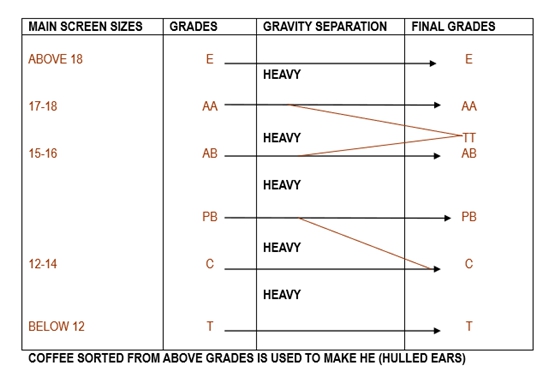
World boutique Coffee beans: Kenya Coffee Grade Kenya AA
Kenyan coffee has many followers in the boutique coffee industry, and Kenyan AA has an extraordinary popularity. Usually, Kenyan coffee is classified as follows: 1) Common categories: coffee fruits picked by hand, picked by hand, picked out immature fruit (unripe), overripe fruit (overripe) and other defects, peeled, fermented for about 36 hours, and dried in the sun on a metal grid.

Old Ethiopian grading standards--Definition of grading for washing and solarization
Professional coffee knowledge exchange More coffee bean information Please pay attention to coffee workshop (Weixin Official Accounts cafe_style) Ethiopia old classification standard Ethiopian coffee beans are generally divided into five levels, according to washing and sun treatment for G1, G2, G3, G4, G5, the first and second levels for washed coffee beans, and sun coffee beans according to coffee quality is divided into G3,G4,G5 three and so on

Basic knowledge of coffee bean appearance and grading of Ethiopian coffee
The grading we are talking about now refers to the grading of raw beans in the country where coffee is produced. (no matter which country coffee beans are not graded) Ethiopian coffee beans are divided into five grades. The first and second stages are reserved for washing beans with water. Grade 1 represents 0-3 raw beans and Grade 2 represents 4-12 missing beans per 300g raw beans. Grade 1 (G1) grade water washed bean pole
The Ethiopian raw bean Yega Shefia Damei Cooperative belongs to the Vanaguo producing area in Ethiopia.
In addition to the small town of Yega Xuefei, it also includes three by-product areas such as Wenago, Kochere and Gelena/Abaya around it. 1. Planting system and environment the mountain stream village in the Yega Xuefei producing area is cool and foggy, like spring all the year round, with a gentle breeze in summer, cool but not hot, rain but not damp, and no cold damage in winter, which is the best environment for planting Arabica. There are no large coffee plantations, coffee.

The difference between the specification of coffee beans and grade washing / non-washing
a. Washing type / non-washing type: in the sink, after rubbing with water and utensils, the pulp and gum are removed and dried, which is called washed coffee beans with uniform quality. Non-washing type: after the sun is naturally dried, the pulp and peel is removed by a sheller, and its quality is unstable. b. The fruit of flat bean / round bean coffee is made up of two oval seeds opposite each other. The connected side

Coffee beans Common sense Blue Mountain Coffee how should the grade be divided?
When it comes to coffee, I have to say Blue Mountain Coffee, Blue Mountain Coffee is the most superior coffee in the world. Like other coffee beans, Blue Mountain Coffee beans are of different grades. The Blue Mountain Mountains are located in the east of the island of Jamaica, because the mountain is surrounded by the Caribbean Sea. Whenever the weather is clear, the sun shines directly on the blue sea, and the peaks reflect the bright blue light of the sea.

How is the grade of coffee divided? What is the highest grade of coffee beans?
There are a wide variety of coffee beans, and the prices are high and low, so what's the difference between them? How is the grade of coffee divided? Today we will introduce the classification of coffee beans. There are differences in hierarchy between different regions of different countries; for example, mainly 300 in Ethiopia